White Paper of Aesthetic Medicine
The white paper of Aesthetic Medicine was passed by the General Assembly of the SEME on the 28th of July, 1997. This document is the result of the contributions and collaboration of all the members of our Society and was coordinated and written by Professor Juan Ramón Zaragoza.
All members agreed to the final form of the text, which establishes the directing guidelines of all the developments in the field of aesthetic medicine. It creates the framework that consolidates our activity and as members of the Spanish Society of Aesthetic Medicine (SEME), we have agreed to accept this document as the basis for our professional activity.
Given the enormous developments that are continually occurring in the field of medical and technological research, it is necessary to revise regularly the content of the document. These modifications and technical updates are presented to the board of directors for approval. The last revision was in May, 2008. Proposals for inclusion in this latest edition had to be presented before the previous board meeting for discussion and approval.
Concept
We define Aesthetic Medicine as the medical-surgical practice that applies the necessary techniques to restore, maintain and promote the aesthetic appearance, health and well-being of the patients.
Professional Situation
Aesthetic medicine is a specialised medical activity that unites the three criteria that define any medical speciality: a unified objective, the existence of a scientific and technical base and a social demand.
- The objective is the restoration, maintenance, and promotion of aesthetic appearance, health and well-being.
- There exists a solid doctrinal base, endorsed by the existence of treatises, monographs and publications dedicated exclusively to the subject of Aesthetic Medicine, as well as specific university courses.
- The social demand is reflected by the large number of doctors who practice this speciality in response to this demand that is inherent to a society with a high level of social welfare. Likewise, the existence of professional societies of Aesthetic Medicine both nationally and internationally which organise and accredit Congresses, Assemblies and specialised scientific events also testifies to the ever growing importance of this activity.
Legal Situation
- Since 2003, the Royal Decree 1277/2003 has regulated the general conditions for centres, services and health establishments and defines the “unit 48” as Units of Aesthetic Medicine (point U. 48)
- The creation of associations or collegiate sections in the Medical Colleges dedicated to aesthetic medicine.
- In 2004, some of the Medical Colleges started to offer their members the possibility of obtaining an accreditation in aesthetic medicine.
The History of Aesthetic Medicine
Since ancient times, both men and women have applied to greater or lesser extent techniques to maintain and improve their appearance, depending on their country or culture.
During the early decades of the twentieth century a series of factors have combined to form a solid body of medical doctrine and knowledge of how and what to do to promote beauty and good appearance. Among others, these have included the following:
- Previously many medical specialities did not treat aesthetic complaints.
- The techniques related to aesthetic medicine have become increasingly more complex and therefore required an ever-increasing expertise, both in the variety of techniques used as well as the clinical application that can only be obtained by studying Medicine at university.
- The increase in the standard of living has given an ever-greater part of the population access to medical attention in this field, incrementing the demand for doctors qualified in these techniques of medical expertise.
- The rise in life expectancy has given a clinical base of great importance through the growth in the number of people who are affected by aesthetic pathologies. The legal responsibilities of the practices, given the technical demands of the treatments offered, have resulted in the need for exclusive specialisation in the field of aesthetic medicine.
Aesthetic medicine does not claim the exclusive right to treat these disorders, but it does recognise that the professionals who practise this speciality must have the necessary training to be able to front the treatment from the perspective of aesthetic medicine, attending both the treatment and giving particular attention to the aesthetic considerations during the evolution of the process.
International Growth
The origin of the international organisation of aesthetic medicine began with the constitution of the French Society of Aesthetic Medicine. The founder and first president was Dr. Jean Jacques Legrand. Soon afterwards, the example was followed by a variety of other societies that were founded, including the Spanish Society of Aesthetic Medicine (SEME) in 1984.
Likewise, the International Union of Societies of Aesthetic Medicine (UIME) was created to represent internationally the various national societies of many different countries. The UIME now represents 27 different countries; these are Argentina, Brazil, Chile, Colombia, Italy, Spain, France, Morocco, Poland, Switzerland, Uruguay, Venezuela, the United States of America, Mexico, Russia, Rumania, Kazajistan, Algeria, Canada, South Korea, Puerto Rico, Turkey, South Africa, China and the Ukraine.
Nearly all these national societies organise an annual congress and many hold regular meetings and conferences. At present, there is a biannual European congress and a world congress every four years.
Scientific Support
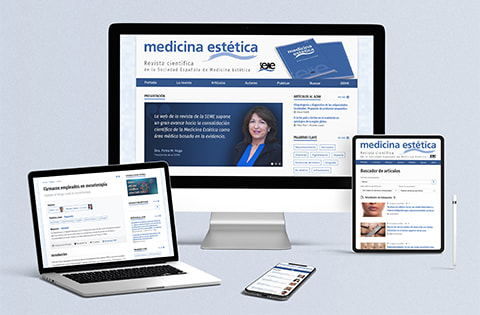
Aesthetic Medicine is endorsed by the national and international medical societies and the scientific publications of recognised prestige. There presently exist numerous books and texts. The first compendium of aesthetic medicine was published in 1987 with the title: “Manual Practique de Medecine Estetique”. The coordinators were the Doctors C. Bartoletti and J.J. Legrand and the book included the work from more than thirty specialists. It was translated into various different languages and has been repeatedly republished. In Spain, the SEME has continuously published a magazine since its foundation in 1984.
With the objective of creating a solid base and of unifying criteria, the SEME has elaborated a series of guides of clinical practice to establish a methodological foundation for the professional practise of aesthetic medicine with the aim of creating a solid base and to unify criteria. In Spain, five public universities presently offer a Masters course in aesthetic medicine and progressively more universities are including courses dedicated to this speciality.
Contents of Aesthetic Medicin
The general objectives of aesthetic medicine are:
- Prevention and treatment of all forms of aesthetic pathology
- Application of techniques to improve beauty and appearance
- Prevention of aging
- Promotion of health and psychological, physical and personal well-being
These objectives of aesthetic medicine coincide with the three objectives that the World Health Organisation has assigned to medicine:
- The healing of illness
- The prevention of illness
- The promotion of good health
The following list includes many, but not all, of the procedure that are included under the heading of aesthetic medicine:
Aesthetic medicine of the skin
- Prevention, diagnosis and treatment of skin aging
- Prevention and treatment of photo aging
- Aesthetic medicine and cosmetic skin treatments (facial and body)
- Aesthetic medicine and cosmetic hair and nail treatments
- Expression wrinkles
- Skin stretch marks
- Skin flaccidity
- Prevention and treatment of skin pigmentation alterations
- Aesthetic side effects due to infectious or immunological pathologies
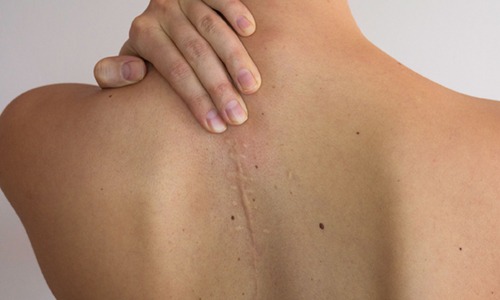
- Anti-aesthetic scars and keloids; secondary and hypertrophic
- Hyperhidrosis
- Hair pathologies: hypertrichosis, hirsutism
- Aesthetic medicine treatments of androgenic or acquired alopecia (partial or universal)
- Skin circulation alterations: telangiectasia, couperose skin, hemangioma
- Non-malignant skin damage
- Tattoos
Phlebotomy aesthetics and lymphatic pathology
- Prevention of periphery circulation alterations
- Treatment of varicose and micro-varicose veins
- Varicose ulcers
- Prevention and treatment of lymphatic pathology
Endocrinology and Aesthetic-Metabolism-Cellulitis
- Over weight and obesity
- Lipodystrophy
- Cellulitis
Obstetrics and aesthetic gynaecology
- Advice on pregnancy and post-birth
- Aesthetic medicine during menopause
Combined treatment with aesthetic surgery
- Preparation for aesthetic surgery operations
- Recovery and treatment after aesthetic surgery operations
Prevention and general good health care
- Prevention and treatment of aging (general)
- Prevention and treatment of stress
- Toning and vitalisation treatments
- Collaboration in the treatment of alterations in the appreciation and acceptance by the patient of his or her appearance
Specific techniques of Diagnosis and Treatment
Aesthetic medicine uses all the diagnosis and therapeutic techniques of general medicine.
The scientific community validates the various therapeutic techniques used in aesthetic medicine, through independent organisations and by the Spanish public authorities.
In the case of the techniques that require the use of specialised equipment, the apparatus used must be duly authorised and homologised. If sanitary health products or medicines are used, then these must be approved by the competent health authority and administered according to the conditions and indications that are specified in the prospectus.
Technical interventions in Aesthetic Medicine
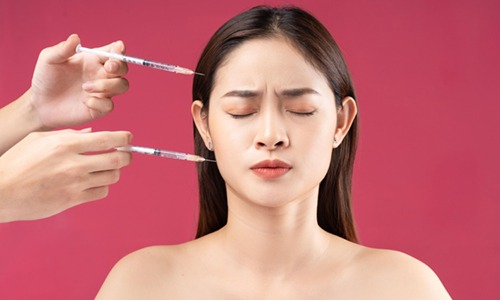
- Infiltrations, mesotherapy for facial and corporal rejuvenation
- Lipoaspiration, liposuccion, liposculpture: conventional, ultrasonic, high frequency and laser treatments
- Mini and micro hair transplants
- Ambulatory aesthetic phlebectomy
- Microsurgery of varicose veins
- Sclerotherapy of varicose veins and telangiectasia
- Resection of benign skin pathologies
- Implants and contour threads
- Botulinum toxin
- Aesthetic ablative laser treatments
Diet therapy
- Guidance on specific diets according to pathology
Electrotherapy / Phototherapy
- Electrotherapy of muscular stimulation
- Vibratory platforms
- Iontophoresis of products for aesthetic medicine treatments
- Ablative, semi-ablative and non-ablative laser therapy
- Phototherapy
- Ultra-sound: sonophorosis and localised ultra-sound
- Follicular treatment: electric hair removal (electrolysis, thermolysis) and photo therapy (laser and Intense Light Pulse)
- Diathermocoagulation, electrocoagulation
- Mono, bipolar and dual radio frequency
- Photodynamic therapy
- Intense Light therapy
- Carboxytherapy
- Ozone therapy
Physiotherapy
- Orientation on physical exercise
- Hydrothermal aesthetic medicine (hydrotherapy, thermotherapy, cryotherapy, mud wraps and general and specific massage)
- Pressure therapy
Phytotherapy
- Use of medicinal plants in aesthetic medicine
Lifestyle and behaviour traits
- Implementation of appropriate behavioural habits for a healthy life
- Prevention of damage from excessive sun exposure
Homeopathy
- Homeopathic treatments applied to aesthetic medicine
Traditional Chinese medicine
- Application of acupunture to aesthetic medicine
- Diet therapy according to traditional Chinese medicine
Mesotherapy
- Treatment of aesthetic complaints using body and facial mesotherapy
Chemical and physical skin treatments
- Peelings using physical techniques
- Chemical peeling; superficial, medium and in depth
- Superficial dermoabration
- Cryotherapy
- Micropigmentation of congenital and acquired alterations
- Application of factors affecting growth and techniques of genetic engineering
- Facial implants using various material including facial autologous fat
- Contour thread lift
Techniques of relaxation
- General treatments
- Oxygen and ozone therapy
- Treatments to fortify immunity
- General tonifying treatments
- Thermalism and balneotherapy
Dental treatments
- Dental health and hygiene
- Teeth whitening
Vocational Education in Aesthetic Medicine
In reference to a basic preparation, the following courses should be indicated:
- Master Course in Aesthetic Medicine.
In 1991 the Spanish Society of Aesthetic Medicine organised the first master course dedicated to this speciality in Spain.
- Master course in Aesthetic Medicine at the University of the Balearic Islands. In 1997, the public university of the Balearic Islands organised the first university master course in aesthetic medicine initially with 57 credit points but which has since been extended to 60. This master was pioneer in the world and is now in its twelfth year. Nowadays various universities offer a master in aesthetic medicine, including the Universities of Córdoba, the Complutense University in Madrid, the Autonomous Universities of Barcelona and Valencia, as well as the Universities of Rey Juan Carlos of Madrid and Alcalá de Henares.
- International Education. In some countries of the European Union (Italy) as well as other regions of the world (Brazil), basic training courses have been offered in a variety of different schools and universities for more than twenty years.
On-going Education and Congresses
The Spanish Society of Aesthetic Medicine (SEME) holds an annual congress as well as organises a variety of monographic courses in the course of the year. In 2008, the XXIII Congress was held. There are national congresses organised by most of the different societies of aesthetic medicine that belong to the UIME and regular European and international congress are also celebrated.
At the same time, the scientific societies, medical associations and public authorities give courses of on-going education. The creation of sections or associations dedicated to aesthetic medicine within the Medical Colleges and Associations continually stimulates the offer of courses dedicated to this area of medical specialisation. In some of these courses, the commissions of accreditation in aesthetic medicine have established criteria for the concession of a diploma to qualify a specialised professional activity.